
A Guide to Sewing Machine Needles
The sewing machine needle is one of the most overlooked tools in sewing, yet it has a huge impact on how your project turns out. The right needle can mean smooth, even stitches and happy fabric, while the wrong one often leads to skipped stitches, puckering, or frustration.
In this post, we’ll break down needle sizes, explain what the numbers really mean, and help you choose the right needle for the fabric you’re working with.
Understanding Needle Types
Understanding the different types of sewing machine needles is an important part of improving your sewing results. Needles vary in shape, size, and design, and each type is intended for specific fabrics and techniques.
Below is a guide to the most common needle types and when to use them.
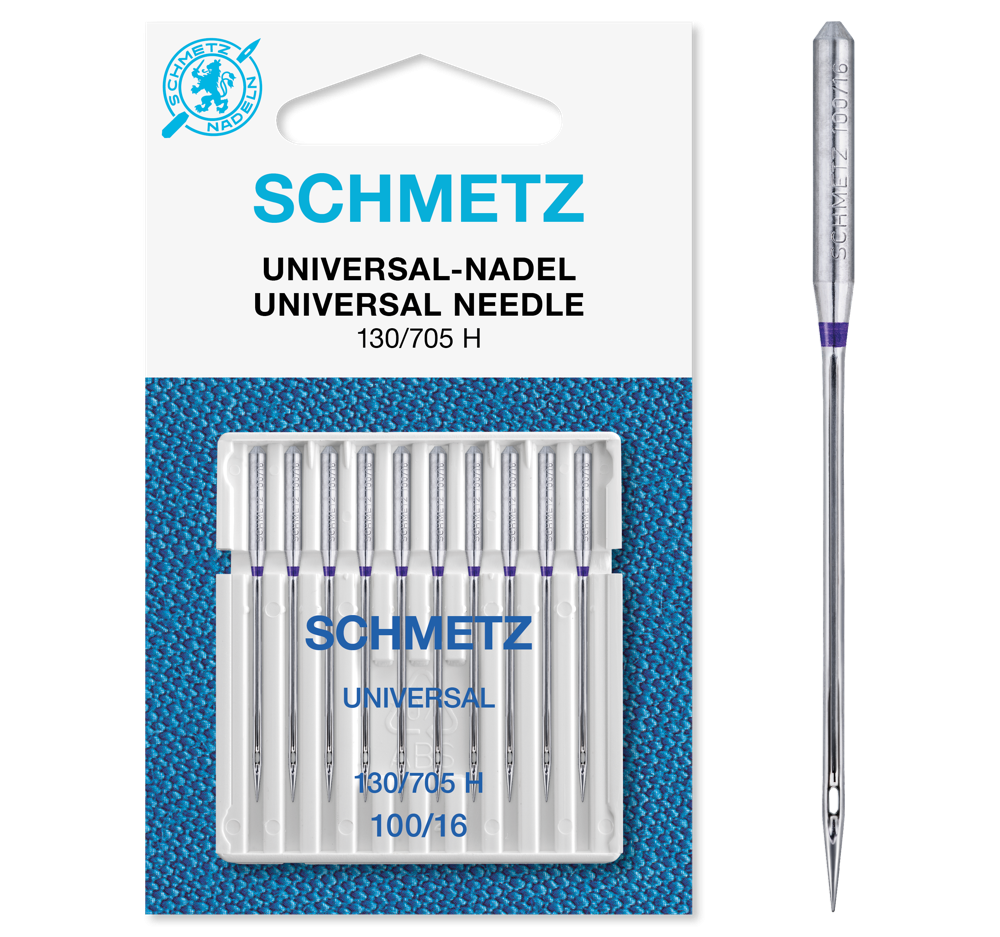
Universal Needles – Ideal for most woven and knit fabrics, making them the go-to choice for general sewing projects.
Ballpoint Needles – Designed for knit fabrics, their rounded tip prevents snags and runs, allowing for smooth stitching.
Sharp Needles – Perfect for delicate fabrics like silk and microfiber, as their fine point pierces tightly woven materials effortlessly.
Jeans Needles – Strong and durable, these needles are built to handle thick fabrics like denim and canvas.
Embroidery Needles – Feature a larger eye to accommodate embroidery threads and are specifically designed for decorative stitching.
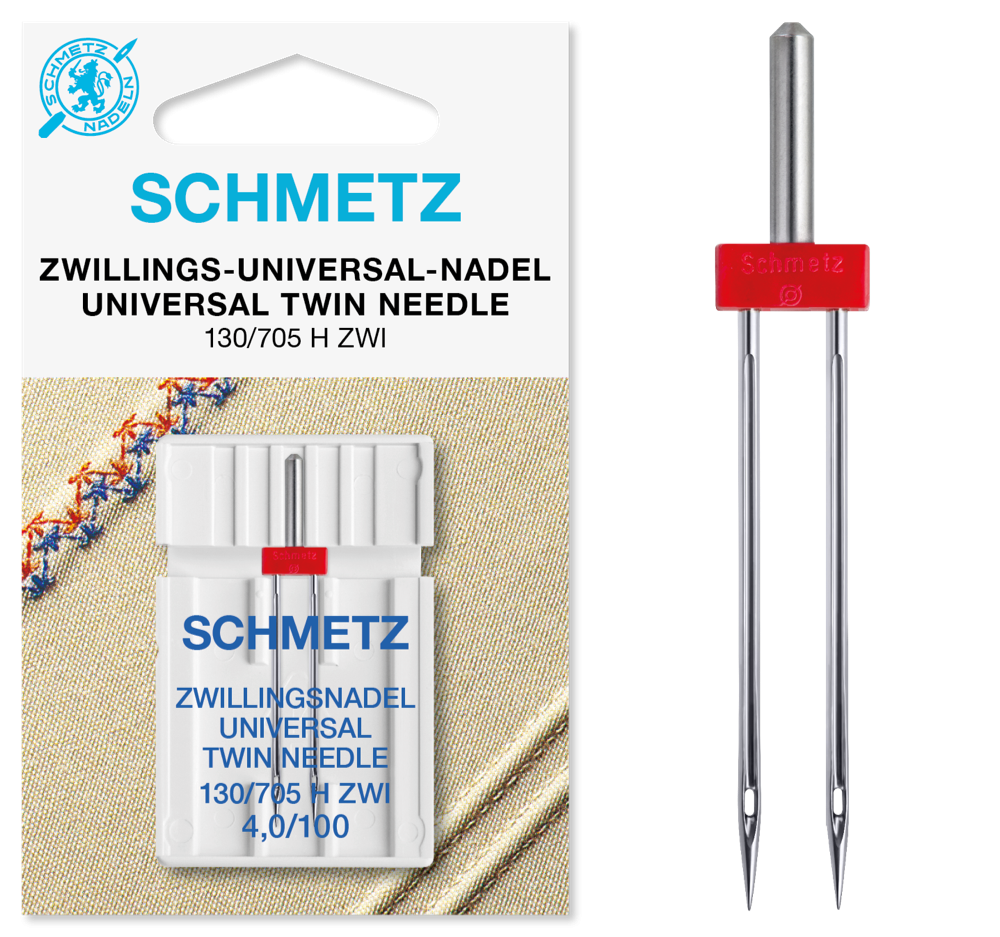
Twin Needles (see below images) – Used to create parallel rows of stitching, they are excellent for hems, topstitching, and decorative details.
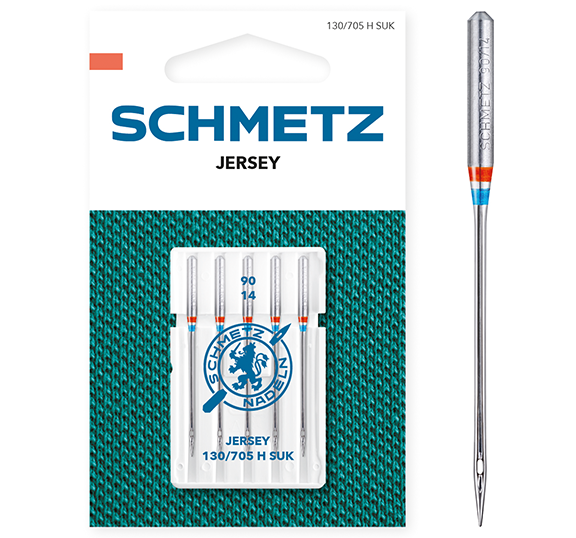
Stretch & Jersey Needles – These flexible needles are ideal for sewing stretchy fabrics, ensuring smooth, even stitches without skipped threads.
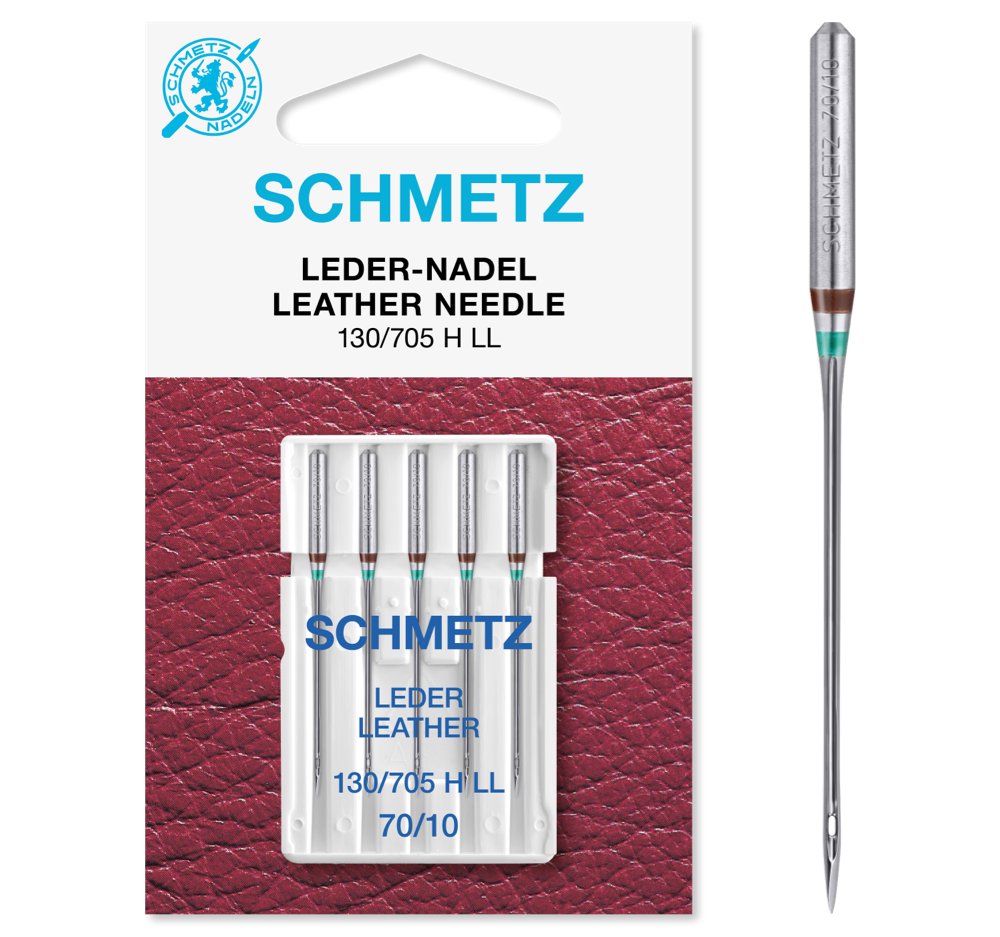
Leather Needles – Equipped with a special wedge-shaped point, they can easily pierce through leather and other tough materials without tearing.
Quilting Needles – Their tapered points make them perfect for piecing and quilting, ensuring precision with every stitch.
Each type of needle has a unique role in sewing, so choosing the right one will ensure the best results for your fabric and project.
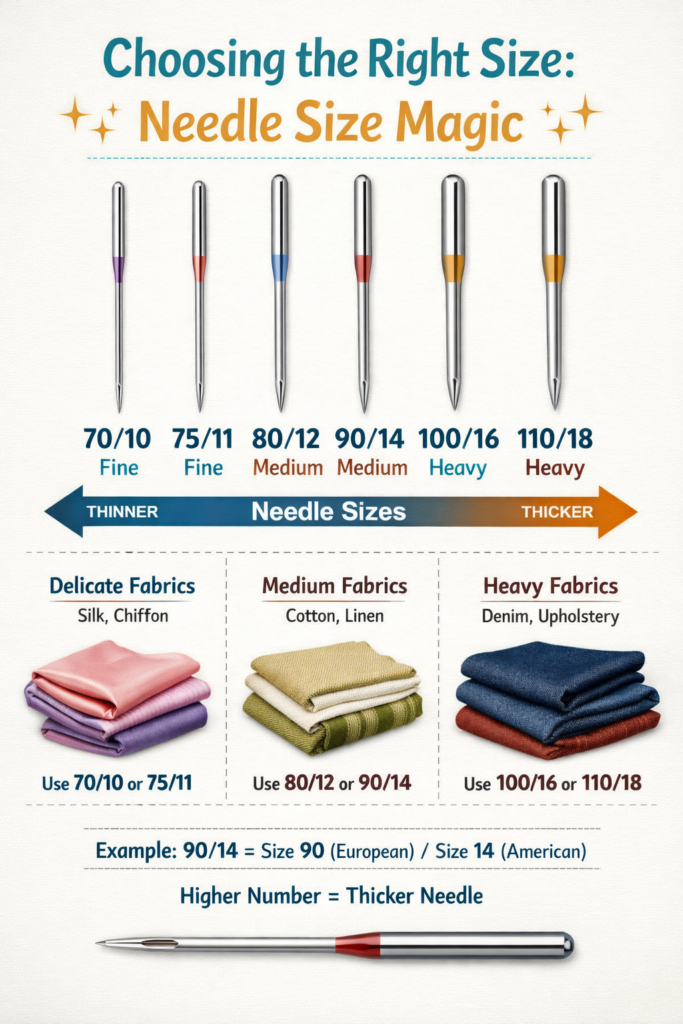
Choosing the Right Size: Needle Size Magic
Needle size is just as important as needle type. Sizes are typically indicated by two numbers, such as 75/11 or 90/14. The first number represents the European size, while the second indicates the American size.
Here’s the golden rule: the higher the number, the thicker the needle.
Delicate fabrics like silk and chiffon require fine needles, such as 70/10 or 75/11.
Medium-weight fabrics like cotton and linen work best with 80/12 or 90/14.
Heavy fabrics like denim and upholstery fabric need sturdy needles, such as 100/16 or 110/18.
So if you see a needle labeled 90/14, that means it’s a European size 90 and an American size 14. Choosing the correct needle size ensures smooth stitching and prevents damage to your fabric.
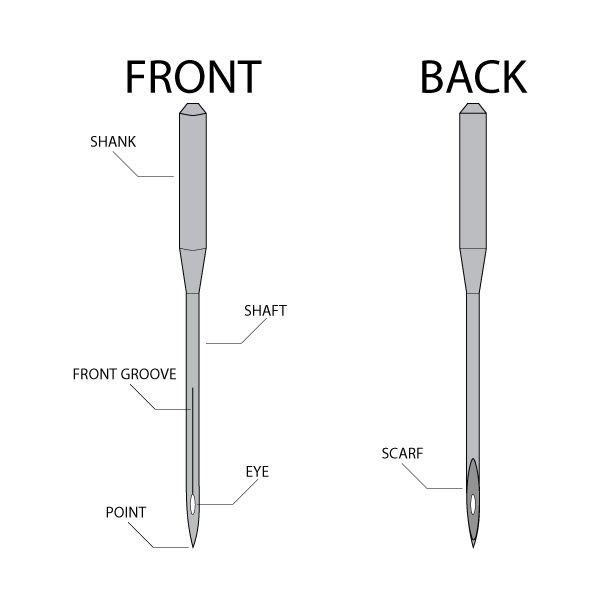
Caring for Your Needles
To keep your sewing projects running smoothly, proper needle care is essential. Here are some key tips:
Replace your needle regularly – A general rule of thumb is to change it after 8-10 hours of sewing, but let’s be honest—I definitely go over that! Instead of tracking hours, I rely on the telltale signs that my needle needs changing.
Watch for signs of wear – Skipped stitches, fabric snags, and thread breakage are clear indicators that it’s time for a new needle.
Listen for changes – If you hear a popping sound when the needle pierces the fabric, it’s likely dull or damaged.
Check for visible damage – Bent needles or rough tips can wreak havoc on your fabric and stitching quality.
Clean your needles – Wiping your needle with a soft cloth can remove lint and fabric residue, keeping it in optimal condition.
I’ve learned to trust my sewing instincts—if something feels off, it’s probably time for a fresh needle!
Avoiding Needle Mishaps: The Importance of Choosing the Right Needle
Using the wrong needle can cause all sorts of problems, from broken threads to machine damage. Here are some common issues caused by incorrect needle selection:
Thick needles on delicate fabrics – Can leave visible puncture holes in materials like silk or chiffon.
Thin needles on heavy fabrics – Can bend, break, or struggle to penetrate thick materials like denim or leather.
Dull or damaged needles – Can cause uneven stitches, skipped stitches, or a popping sound when piercing fabric.
To avoid these issues, always match the needle type and size to your fabric and thread.
Final Takeaways
Smaller needle numbers = finer needles (best for lightweight fabrics).
Larger needle numbers = thicker needles (best for heavy fabrics).
Pay attention to your sewing machine’s requirements and always choose the best needle for the job.
A dull or bent needle can lead to broken threads, skipped stitches, and fabric damage—change needles regularly!
By selecting the right needle for each project, you’ll achieve smooth, professional-looking stitches every time. Happy sewing!