Knit Fabrics Explained:
Types, Uses & Safe Certifications for Babywear
Knit fabrics are a popular choice for baby and children’s clothing, but with so many options available, it can be hard to know which one to choose. From interlock and jersey to French terry and ribbing, each knit has different properties that affect comfort, stretch, and durability. This guide breaks down the most common knit fabrics, explains what they’re best used for, and explores important textile certifications to help you make safer, more confident fabric choices.
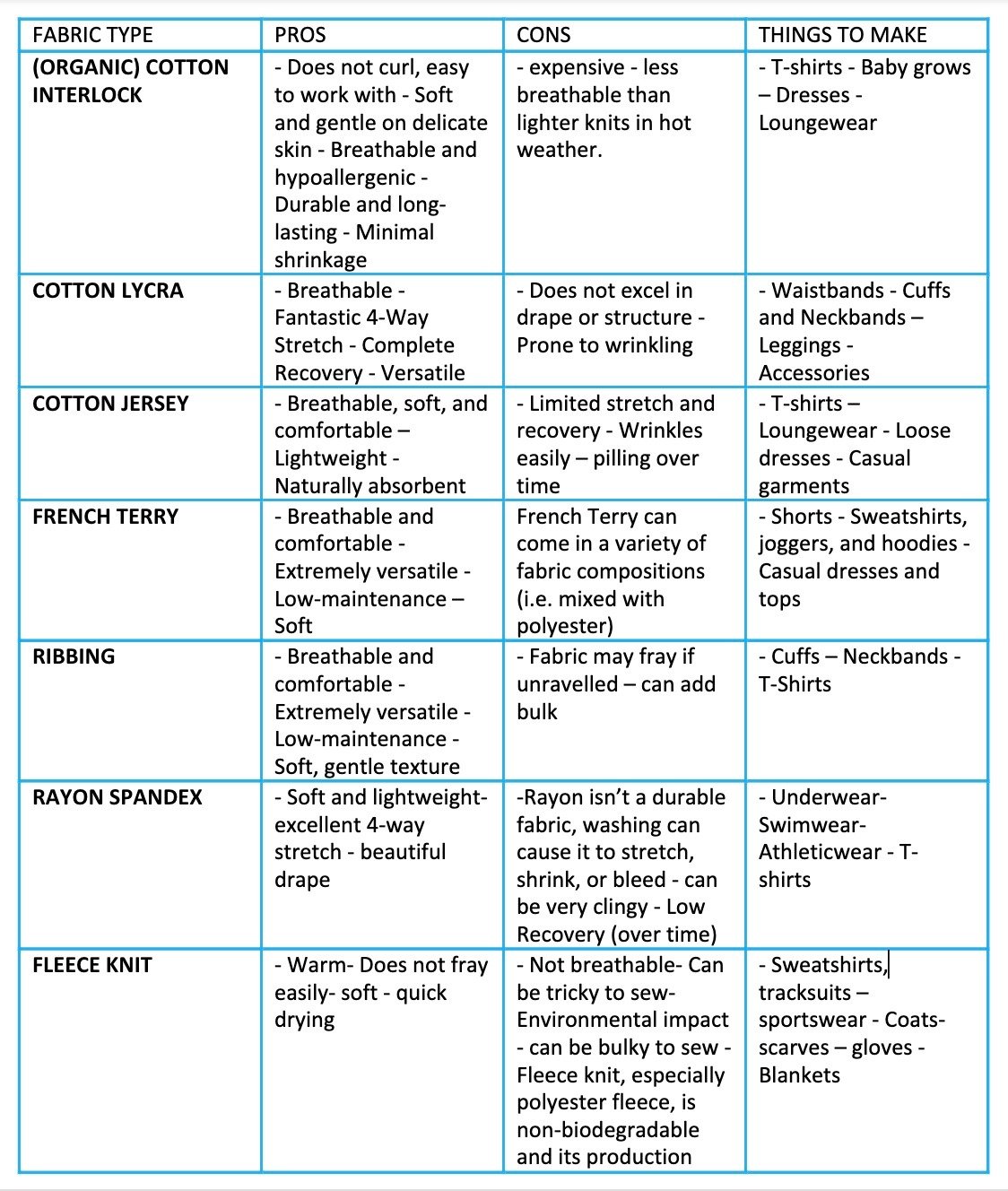
Organic Cotton Interlock
When choosing fabrics for baby and young children’s clothing, knit fabrics are often the go-to choice for comfort, stretch, and practicality. One particularly popular option is organic cotton interlock, but it’s far from the only knit worth considering.
This guide explores common knit fabrics, their pros and cons, what they’re best used for, and how textile certifications can help you make safer, more informed choices when sewing for little ones.
Pros:
Does not curl and is therefore easy to work with
Soft and gentle on delicate skin
Breathable and hypoallergenic, reducing the risk of skin irritations and allergies
Durable and long-lasting
Minimal shrinkage
CONS:
Unfortunately, organic cotton tends to be more expensive than conventional cotton due to the sustainable farming practices used.
Interlock has some natural stretch but not as much as other knit fabrics like jersey or spandex blends, which might limit its use for certain garments.
The thicker, more stable nature of interlock can make it less breathable than lighter knits in hot weather.
Like many cotton fabrics, interlock can wrinkle easily.
Things to Make from Cotton Interlock:
T-shirts
Babygrows
Dresses
Loungewear
Cotton lycra
Cotton Lycra is a smooth, versatile knit made from cotton blended with a small percentage of Lycra or spandex. This combination creates a fabric with excellent stretch and recovery while remaining breathable and comfortable.
It’s especially popular for garments that need to move with the body, such as leggings and waistbands.
Pros:
Breathable: Perfect for activewear and keeping cool.
Fantastic 4-Way Stretch: Stretches in all directions for maximum comfort.
Complete Recovery: Returns to its original shape after stretching.
Versatile: Enough drape and structure to be used for virtually any type of garment.
CONS:
While it’s versatile, it doesn’t excel in drape or structure as much as other fabrics might.
Prone to Wrinkling: Due to its high cotton content, it tends to wrinkle more than other knits.
What to Make with Cotton Lycra
Leggings
Waistbands
Cuffs and neckbands
Activewear
Accessories such as headbands and scrunchies
Cotton jersey
Cotton jersey is a soft, lightweight knit fabric created using a knitting technique that gives it natural stretch, even without elastane. Organic cotton jersey is a popular choice for babywear because it’s breathable, absorbent, and gentle on the skin.
While it has some stretch, it generally has limited recovery, so it’s not ideal for garments with negative eas
Pros:
Breathable, soft, and comfortable
Lightweight
Naturally absorbent
CONS:
Limited stretch and recovery
Wrinkes more easily than other knit fabrics
Depending on the quality of the cotton, jersey fabric can pill over time, especially with frequent washing.
What to Make with Cotton Jersey
T-shirts
Loungewear
Loose-fitting dresses
Casual everyday garments
French Terry
French terry is a light to mid-weight knit with a smooth outer surface and a looped underside. It can be made from 100% cotton or blended with fibres such as spandex, rayon, polyester, or organic soy.
The loops on the inside help with comfort, warmth, and moisture absorption. French terry varies widely in thickness, stretch, and drape, so it’s important to read fabric listings carefully.
Pros:
Breathable and comfortable
Extremely versatile
Low-maintenance fabric that doesn’t wrinkle easily
Soft, gentle texture perfect for sensitive skin
CONS:
- Thicker varieties can feel warm in hot weather
- Stretch and recovery vary depending on fibre blend
What to Make with French Terry
- T-shirts and tops
- Shorts and joggers
- Sweatshirts and hoodies
- Loungewear
- Cardigans and lightweight jackets
Ribbing / Rib
Rib knit fabric features distinct vertical ribs created by alternating knit and purl stitches. It’s available in a wide range of fibre compositions, from cotton to synthetic blends, and is more elastic than standard jersey.
Common rib patterns include 1×1 and 2×2 ribbing.
Pros:
Elastic and durable
Interesting ribbed texture
CONS:
May fray if unravelled
The texture and structure of ribbing can add bulk to garments, which might not be desirable for all designs.
While ribbing is highly elastic, it can sometimes lose its shape and stretch out over time.
What to Make with Rib Knit
Cuffs
Neckbands
Waistbands
T-shirts
Rayon Spandex
Rayon spandex is typically a blend of around 95% rayon and 5% spandex. Rayon is a semi-synthetic fibre made through a chemical process, sometimes using natural materials and sometimes synthetic ones.
This fabric is known for its softness, stretch, and beautiful drape, making it popular for garments that sit close to the body.
Pros:
Soft and lightweight
Excellent 4-way stretch
Beautiful drape
CONS:
Rayon isn’t a durable fabric, washing can cause it to stretch, shrink, or bleed
Can be very clingy
Low Recovery (over time)
What to Make with Rayon Spandex
Underwear
T-shirts
Athleticwear
Swimwear
Fleece Knit
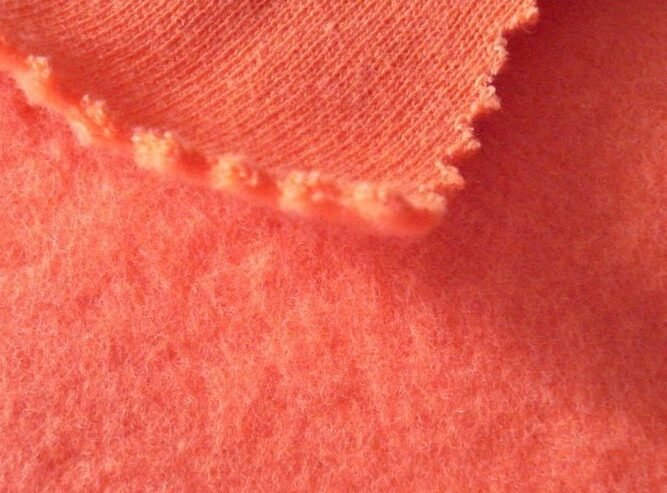
Fleece knit fabrics are most commonly made from polyester or polyester blends. They are soft, warm, and highly insulating, making them ideal for cold-weather garments.
Types include sweatshirt fleece, with a smooth outer face and brushed underside, and polar fleece, commonly used for outdoor clothing.
What to Make with Fleece Knit
Sweatshirts and tracksuits
Jackets and coats
Scarves, gloves, and blankets
Pros:
Warm as it retains body heat
Does not fray easily
Soft
CONS:
Not breathable
Can be tricky to sew if several layers are used (bulky)
Environmental impact – polyester is non-biodegradable and the production of polyester fabric results in a high amount of pollution
Things to Make from Fleece Knit:
Sweatshirts, tracksuits, sportswear, etc.
Coats, scarves, gloves
Blankets
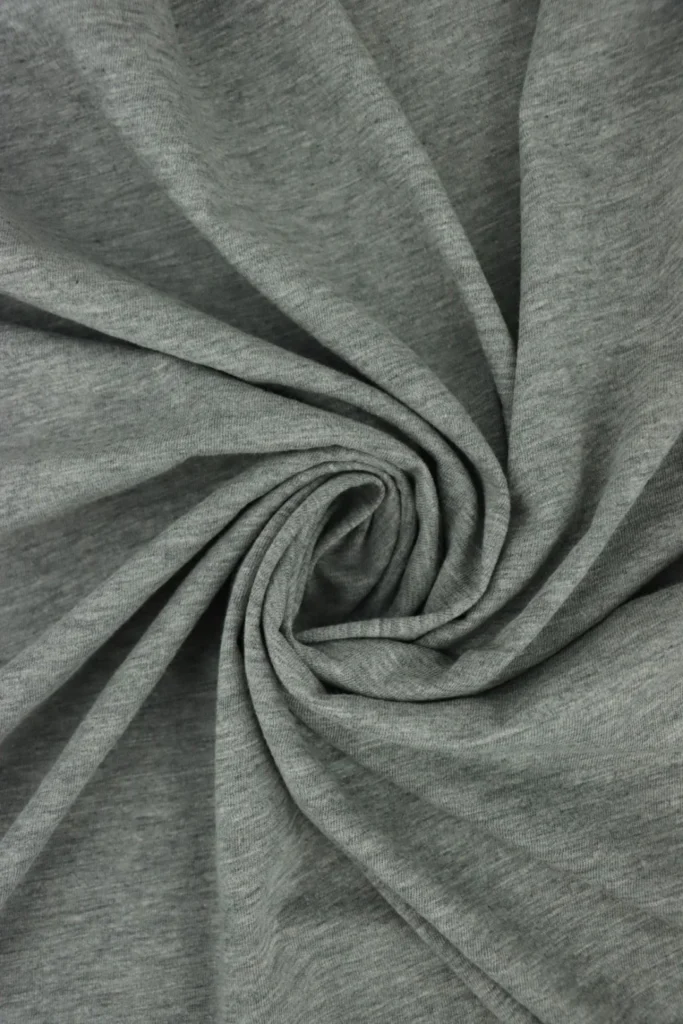
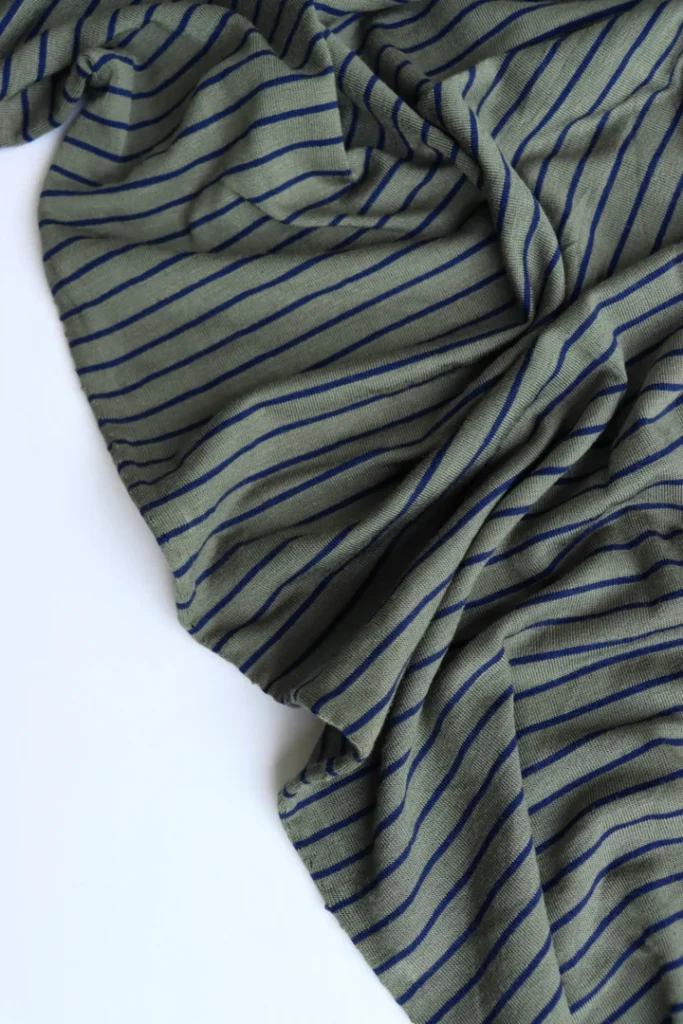
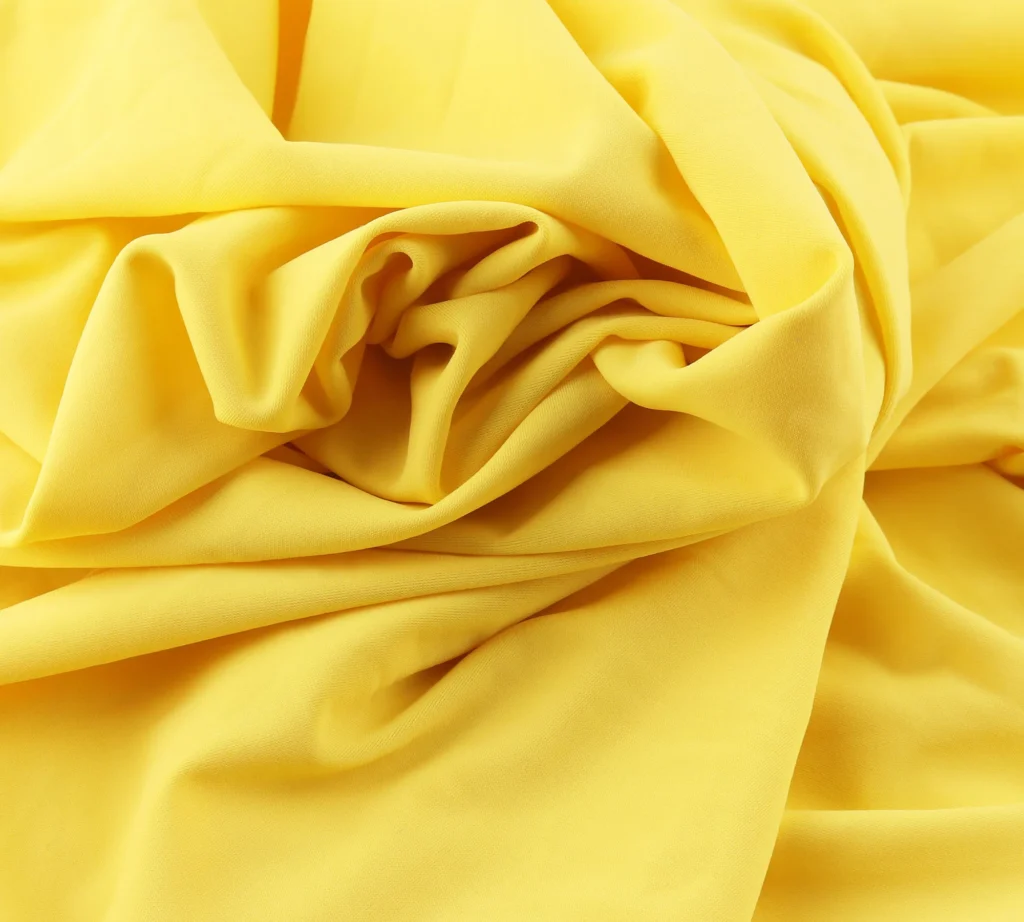
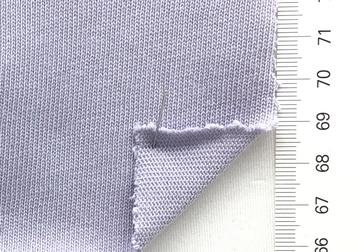
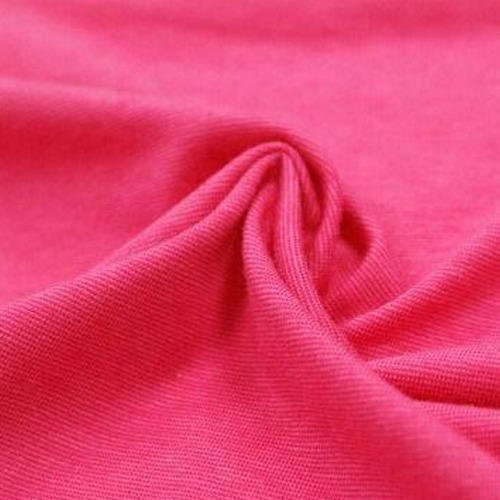
Here are some UK-based fabric shops that sell knit fabrics:
FabriCasa Fabrics: https://fabricasafabrics.co.uk
DalstonMills: https://www.dalstonmillfabrics.co.uk/dress-fabrics/jersey.html
Good Fabric: https://goodfabric.co.uk/category/knit-fabrics
Higgs & Higgs Fabric Shop: https://higgsandhiggs.com
Pound Fabrics: https://poundfabrics.co.uk/products/thick-sweater-knit-fabric
FiverFabric: https://www.fiverfabric.com
These shops offer a variety of knit fabrics, including jersey, ribbing, and fleece knits. Happy shopping! 😊
Send me a message if you know of any other good places to purchase knit fabric, I’ll add to the list! 👌
Understanding Textile Certifications
OEKO-Tex Certification
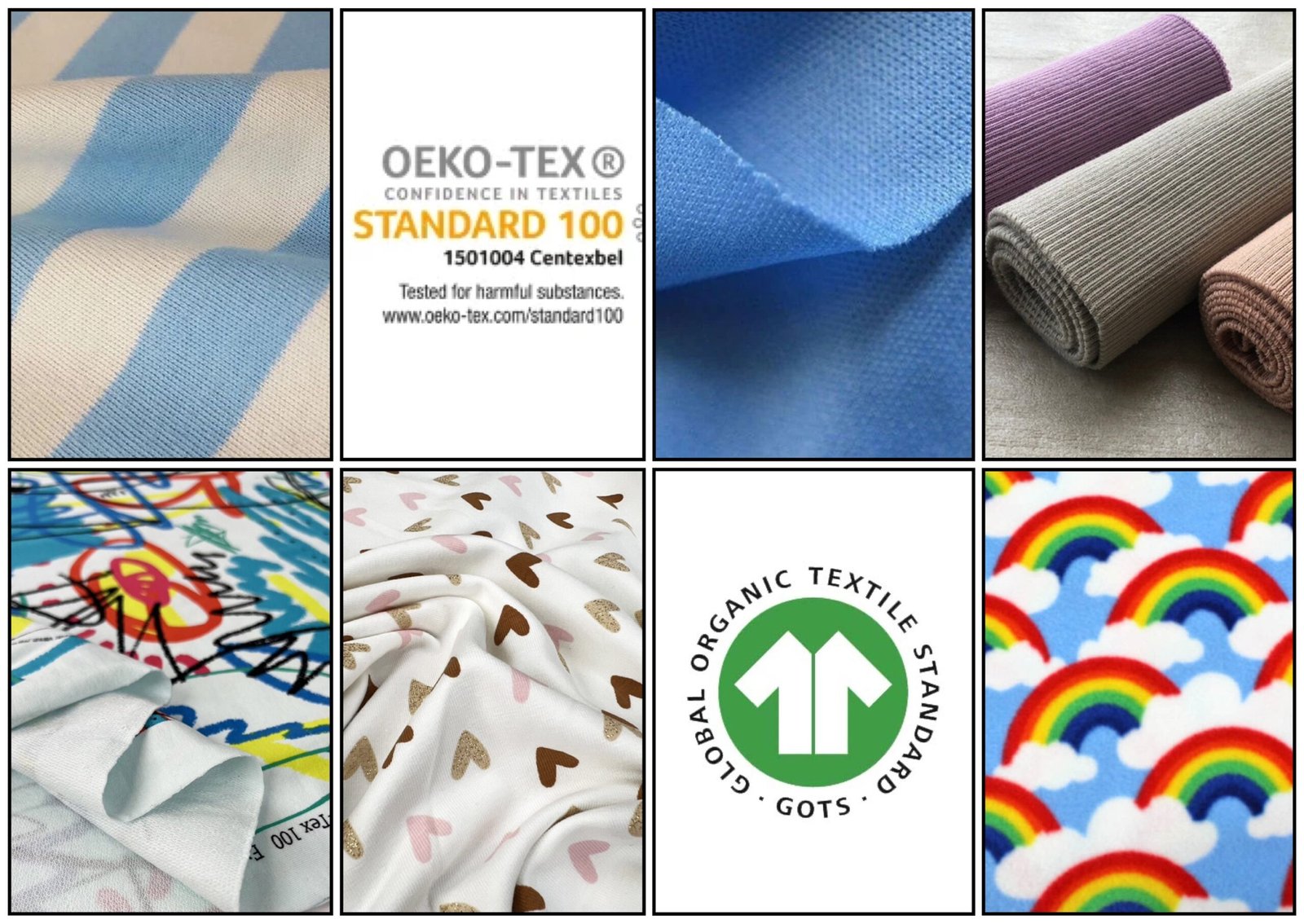
OEKO-TEX® is an international certification that tests textiles for harmful substances. Fabrics certified to OEKO-TEX® Standard 100 have been rigorously tested to ensure they’re safe for human use, which is especially important when sewing for babies and young children.
This certification helps reduce exposure to chemicals such as azo dyes, formaldehyde, pesticides, and phthalates, offering reassurance that your fabric choices are safer.
GOTS Certification
OEKO-TEX® certification does not indicate that a fabric is organic. That’s where GOTS (Global Organic Textile Standard) comes in.
GOTS is the leading certification for organic textiles such as organic cotton, linen, and wool. It covers the entire supply chain, from fibre production to processing and manufacturing, ensuring environmentally responsible practices and fair working conditions.
Choosing GOTS-certified fabrics supports sustainable farming, protects ecosystems, and results in safer textiles for babies and children.
Useful Links:
OEKO-TEX Certification
All You Need to Know About Oeko-Tex Certification – Panaprium
What is OEKO-Tex? & What Are The Oeko-Tex Standards – Ecothes
GOTS CertificationThe Ultimate Guide to GOTS Certification and Sustainable Textiles
Knit fabrics offer an incredibly versatile range of options for sewing baby and children’s clothing. By understanding the properties, advantages, and limitations of each fabric type, you can confidently choose the best material for your next project.
Pair that knowledge with trusted suppliers and recognised textile certifications, and you’ll be well equipped to create garments that are comfortable, durable, and thoughtfully made.
Happy sewing